Introduction
Shopping for the right college can feel overwhelming. You read through glossy brochures, visit campus websites, and hear impressive claims. But how much of that information is actually true? Smart students and parents know the difference between marketing and reality.

Endicott College is one school that talks a lot about combining strong academics with hands-on learning. That sounds great. But the real question is: do the numbers back it up?
Here is the thing. Colleges spend a lot of money to make themselves look good. They highlight their best stats and hide the rest. So how do you know what is real?
The answer lies in verified data. The U.S. Department of Education runs a system called IPEDS. Every college must submit honest information about costs, graduation rates, and student outcomes. Tools like the College Navigator let you see this data for yourself.
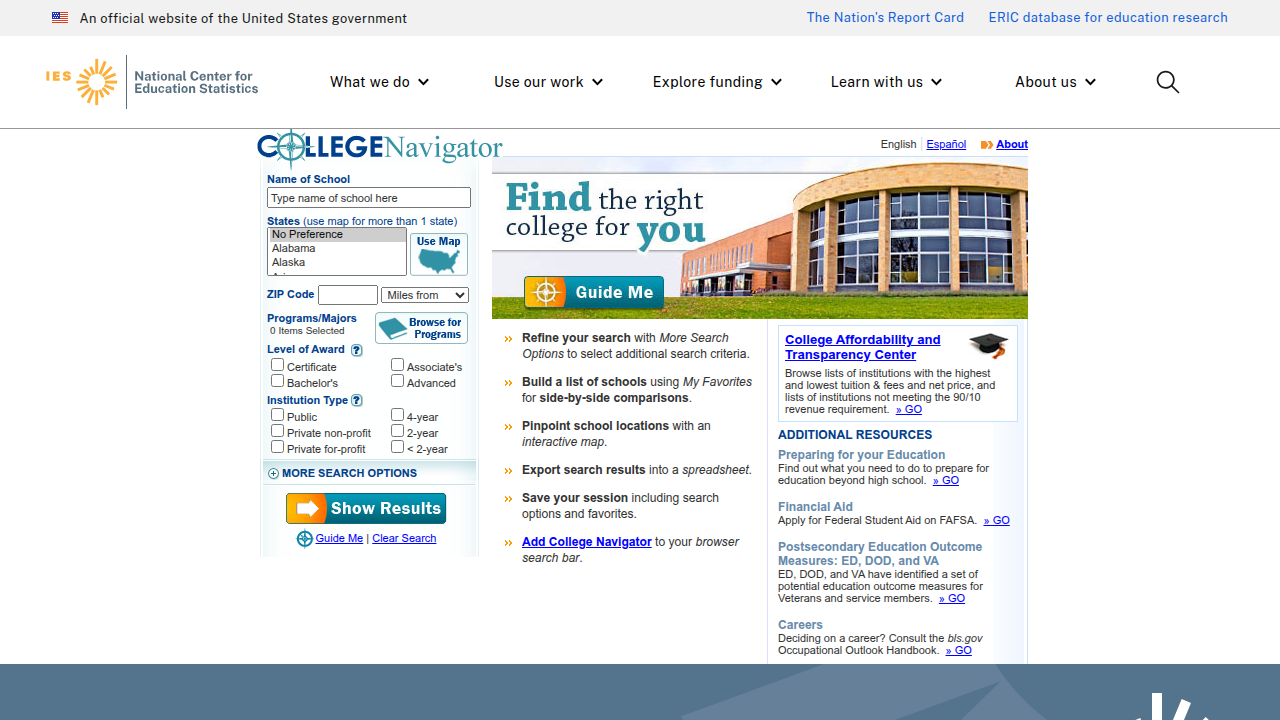
It is the same system that organizations like IHEP use to show how IPEDS provides key consumer information about college costs and outcomes. No marketing spin. Just facts.
This article gives you a precise, data-backed look at what Endicott College really offers. We will skip the hype and focus on numbers you can trust. You will learn exactly what sets Endicott apart and where it falls short compared to other schools like Shasta College, the University of Hawaii at Manoa, South Dakota State University, and Ivy Tech Community College.
Before we dive in, if you want to understand how to evaluate any college claims, check out our guide on spotting the difference in college statistics. It will help you become a smarter researcher.
Remember, when looking at any college data, it pays to verify before you trust. The numbers never lie. But the way people present them sometimes does. Let us get to the truth about Endicott College.
A Legacy of Innovation: Endicott College’s Academic Foundation
When Endicott College opened its doors in 1939, the founders built it on a simple but powerful idea: classroom learning and real-world experience should go hand in hand. That vision still drives everything today. Students do not just sit through lectures. They apply what they learn in actual work settings from year one. This hands-on approach is the cornerstone of the academic experience.
The college offers a broad range of programs across eight academic schools. Whether you are interested in business, nursing, education, communications, psychology, criminal justice, or sport management, you will find a program that blends liberal arts with career preparation. You can explore the full list of undergraduate and graduate programs of study to see exactly what fits your goals.
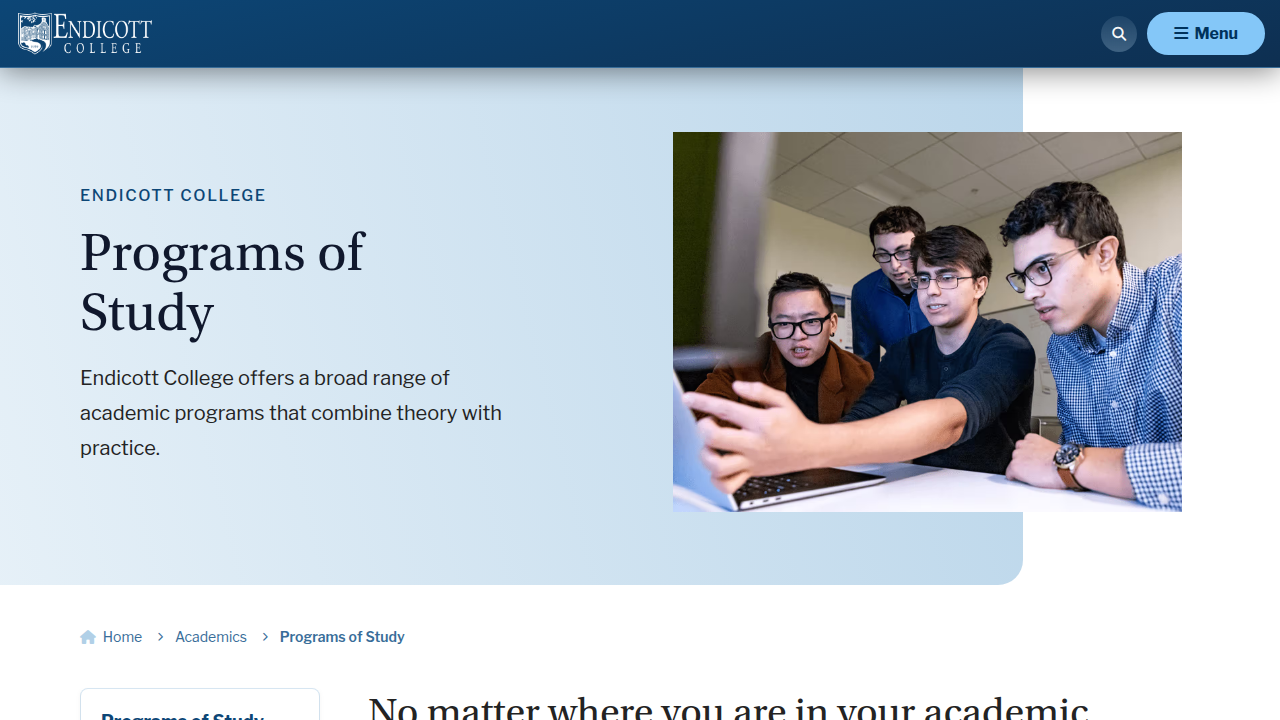
Some majors attract more students than others. According to data from Data USA, the most popular bachelor’s degree concentrations are registered nursing, general business administration, and kinesiology.
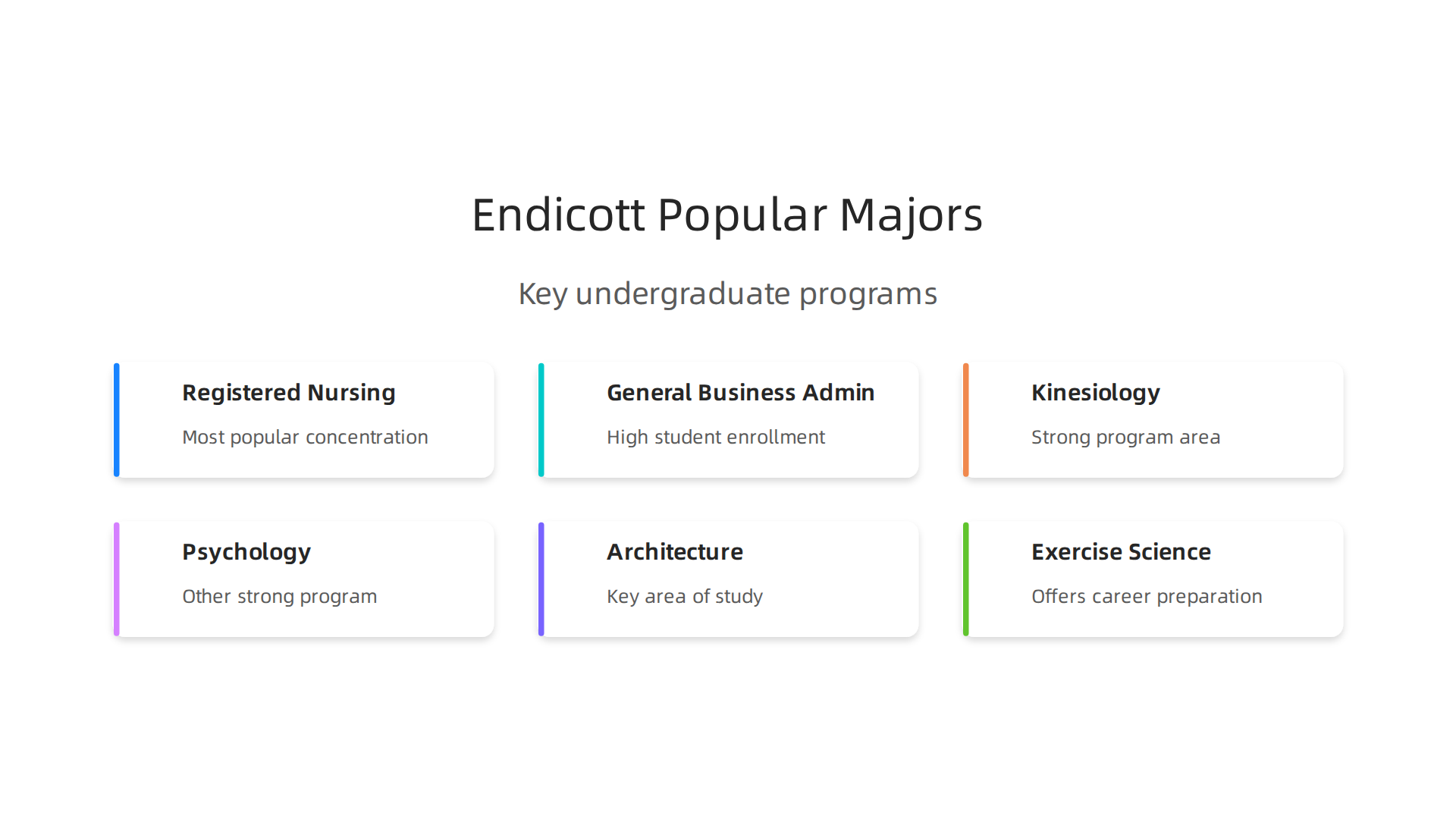
Other strong programs include psychology, architecture, and exercise science. These popular majors at Endicott College show where the school has built real strength.
What makes the academics stand out is the faculty. Professors are not just scholars who publish research. They are practitioners who have worked in their fields.

A nursing instructor has been a bedside nurse. A business professor has managed teams. An education professor has run classrooms. This mix of academic knowledge and practical experience means you learn from people who understand both theory and the real challenges you will face after graduation.
Endicott’s academic foundation also includes a nationally recognized Four Year Internship Program. Every undergraduate completes internships each year. That is not something you find at many schools, including community colleges like Ivy Tech Community College or large universities like South Dakota State University. It gives students a huge advantage when they start their careers.
If you want to learn more about how Endicott structures its academics around real experience, read our detailed breakdown of Endicott College’s strong academics and real-world experience. It covers the internship model and how it connects to career outcomes.
For those interested in how academic research and data methodology shape real-world decisions, the white paper CRISP-DM and Skylab USA offers a practical look at how universities and industries build rigorous frameworks together. It is the same kind of thinking that makes Endicott’s academic foundation so effective.
Real-World Learning: The Internship and Experiential Model
Endicott College took the idea of hands-on learning and turned it into something most schools only talk about. Every undergraduate completes at least three internships before graduation. That is not an option you can skip. It is a requirement built into every degree program from the moment you step on campus.
The program works in stages. First-year students start with a shorter placement to get comfortable in a professional setting. Sophomores build on that experience. By junior year, students dive into a full semester internship that runs 14 weeks at 28 to 32 hours per week.

The details are laid out in the Four-Year Internship Program page.
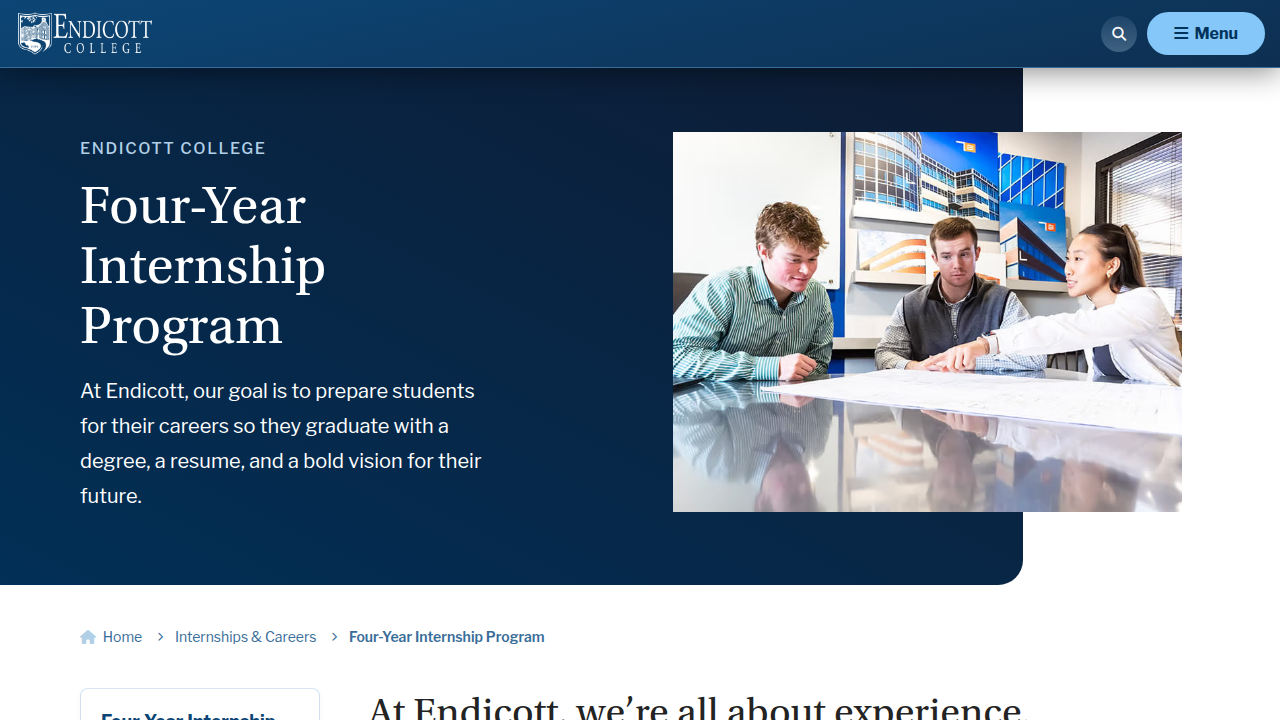
By senior year, many students are landing positions that turn directly into job offers.
Endicott has built relationships with hundreds of partner organizations for placements. These range from small local nonprofits to Fortune 500 companies across healthcare, tech, business, education, and the arts. An in-depth WBUR article on Endicott internships shows how the program places students in diverse industries that match their majors. That breadth matters because it means every student gets relevant experience, not just busy work.
So what happens after graduation? The numbers speak for themselves. Endicott reports that 99 percent of graduates are employed or enrolled in graduate school within one year. Of those working, 89 percent say their job is related to their major. And more than half found their job directly through an internship contact. You can see the full breakdown in the career outcomes statistics from Endicott.
Compare that to other schools. At larger universities like South Dakota State University or community colleges like Ivy Tech Community College, internships are often optional. At the University of Hawaii Manoa, opportunities exist but are not woven into every program the way they are here. Shasta College offers career technical education, but the scale and structure are different. Endicott’s approach means you do not have to hunt for experience. It comes to you as part of your education.
This model also gives you something most graduates do not have: a built-in professional network. By the time you finish your third internship, you have three sets of professional references. You have real projects to talk about in interviews. You have a resume that shows employers you already know how to work in their world.
If you want to see how this hands-on philosophy applies even earlier in education, check out the approach to hands-on career-ready education at the high school level. The same principle that experience beats theory alone holds true at every stage.
Here is one more thing to keep in mind. When you see a statistic like a 99 percent career outcomes rate, it is smart to ask how that number is measured. Not every school counts success the same way. That is why we always tell students to Verify Before You Trust. Accuracy still needs human judgment. Knowing the difference between precise data and accurate data helps you make the right choice about where to invest your time and money.
Campus Life and Student Support: Building Community
You might be wondering what happens outside of the classroom at Endicott College. The answer is a lot. The campus is designed to help you feel supported from day one, whether you live in a residence hall or commute from nearby.
Endicott sits right on the coast in Beverly, Massachusetts. The campus has modern facilities including a fitness center, dining options, and the Callahan Center for student activities. The residential environment means you are never far from friends or help. The school’s Student Life page outlines all the ways they keep students connected and healthy.

What about getting involved? Endicott has more than 80 student organizations. You can join clubs for almost any interest, from academic groups to cultural associations to volunteer projects. There are leadership programs, intramural sports, and events happening most nights. This is where you build friendships, learn to work with different kinds of people, and develop skills your resume cannot capture. The Student Affairs office is the place to start if you want to start a new club or find existing ones.
Support services at Endicott go beyond the basics. The Academic Resources and Support page lists everything from tutoring and writing help to the Halle Library services.
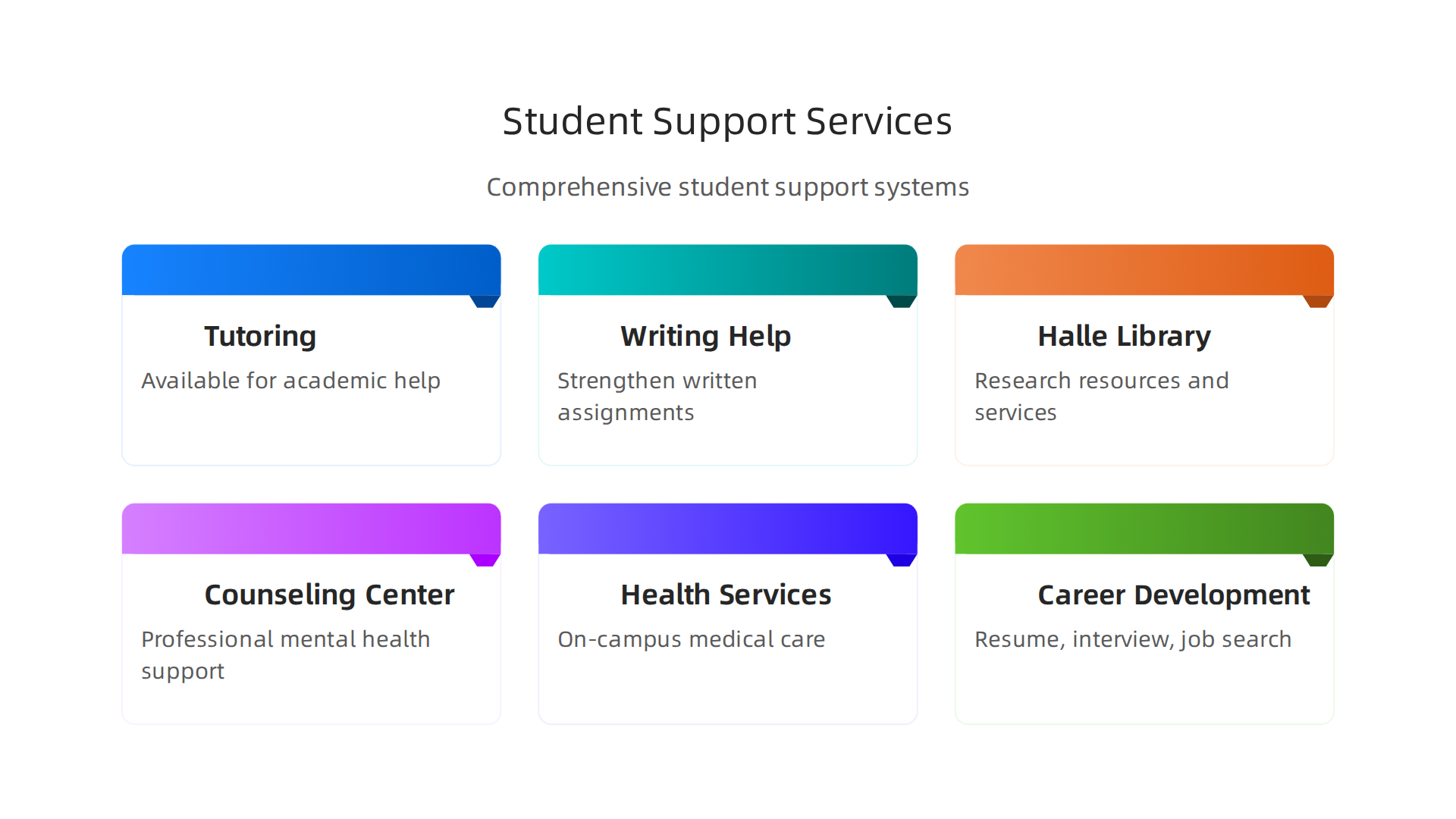
There is also professional counseling available on campus through the counseling center. Health services are right there too. You do not have to navigate problems alone.
Career development is another pillar of support. Even though the internship program already gives you real experience, the career center helps with resumes, interview prep, and job searches after graduation. These services are open to every student at every stage.
For a broader look at how Endicott combines strong academics with real-world experience, read our overview of strong academics and real-world experience at Endicott. It connects the campus life you just learned about to the bigger picture of what makes the school work.
Bottom line: Endicott does not just hand you a diploma. It hands you a community, a support system, and a place to grow. That matters just as much as the internships.
Admissions and Financial Aid: Navigating the Path to Endicott
So you like the campus, the support services, and the internship focus. The next big question is how to actually get in and pay for it. Let us break that down.
Getting into Endicott College is not as hard as you might think. The school uses a holistic review process. That means they look at your whole application, not just your test scores. According to the Endicott College Niche profile, the acceptance rate hovers around 72 percent.
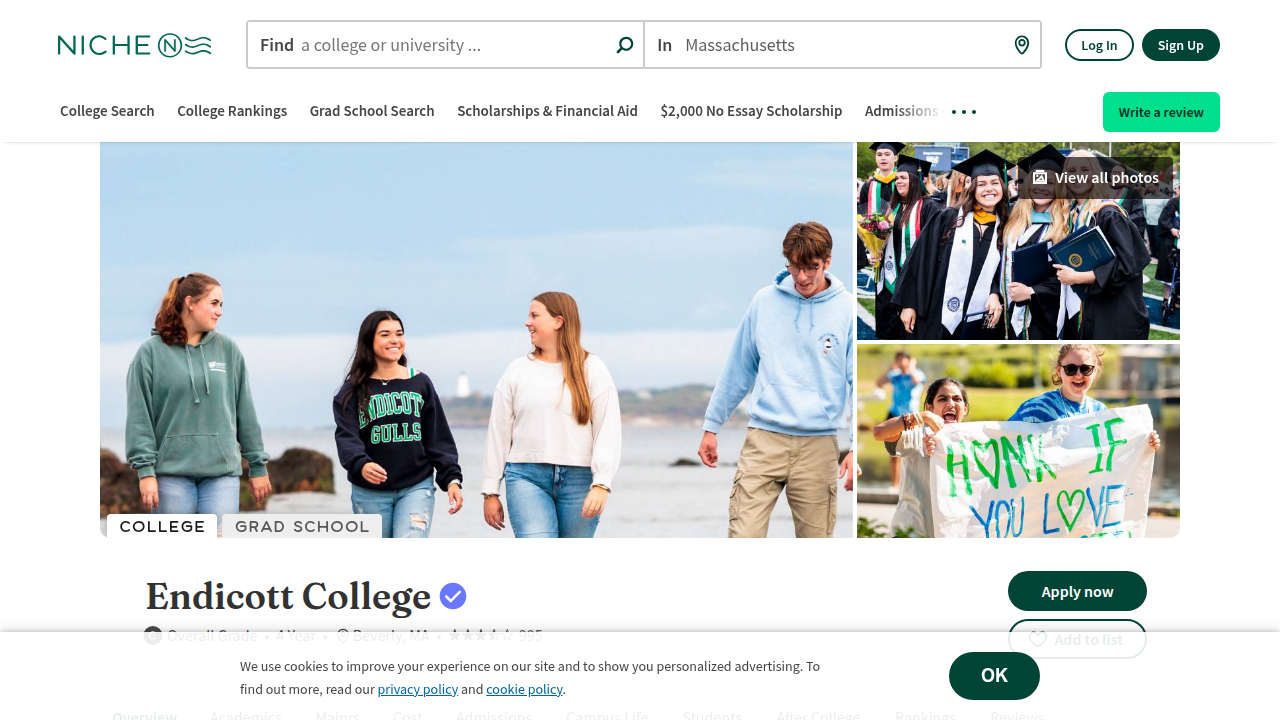
That puts Endicott in the less selective range. But do not let that number fool you. They still expect strong grades.
The official Endicott College admission criteria page lists a minimum high school GPA of 3.0.
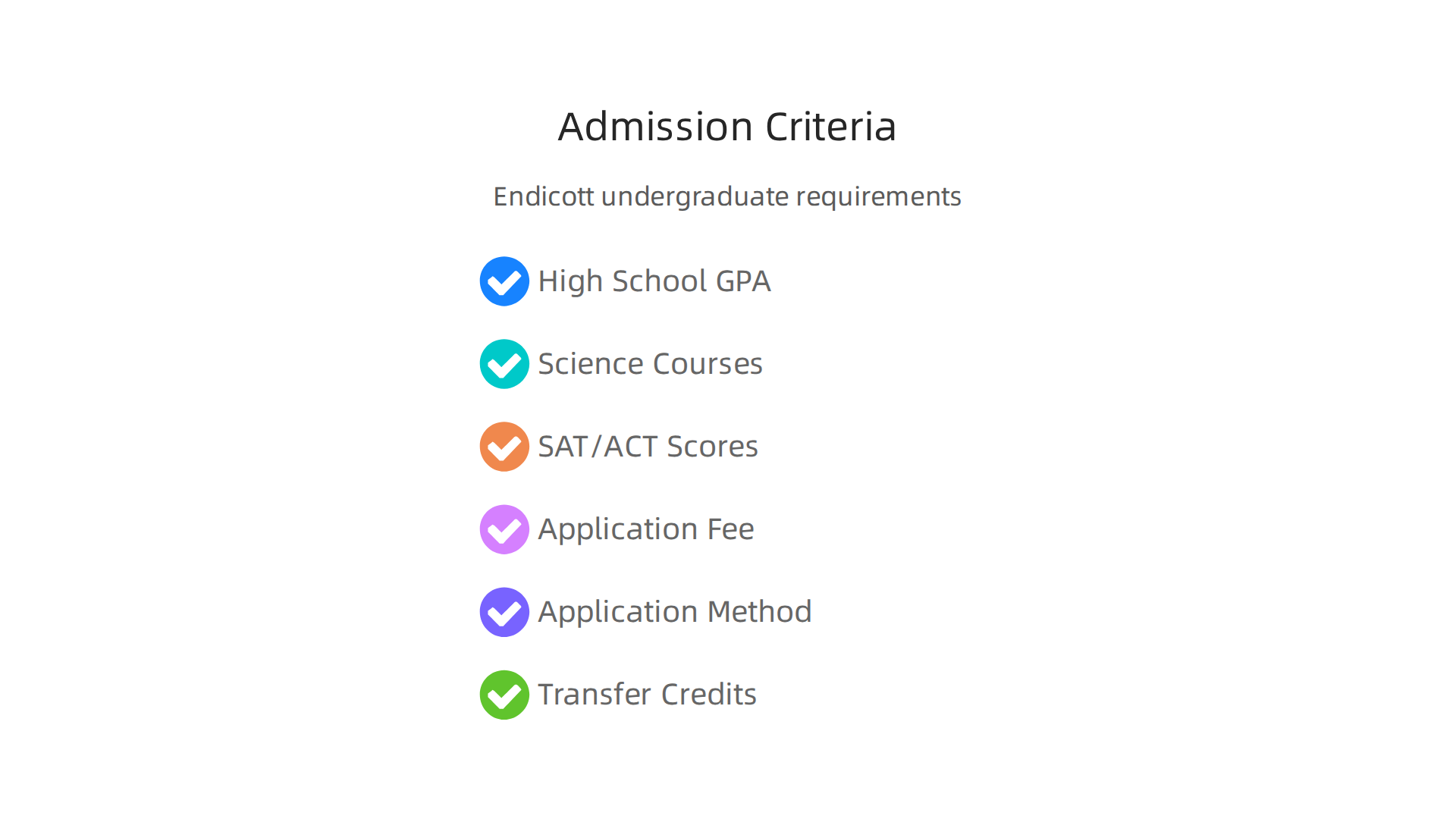
You also need a C or better in all science courses. SAT and ACT scores are considered but not required. That helps if testing is not your strongest skill. The application fee is 50 dollars, and you can apply through the Common App or Endicott’s own system.
If you are coming from another college, Endicott accepts transfer students too. The transfer student admission guidelines say you can bring in up to 85 credits from accredited schools. You need a C or better in those courses for them to count.
Now for the part nobody loves: the cost. Endicott is a private college, so the sticker price is high. But here is the thing. Most students do not pay the sticker price. Endicott offers merit scholarships based on your grades and test scores. They also offer need-based grants. You have to fill out the FAFSA to qualify for federal aid and institutional grants.
When you look at the numbers, remember to check the net price, not the listed price. The net price is what you actually pay after scholarships and grants. You can find this information on tools like the College Navigator tool from NCES. That tool pulls data from IPEDS, the government system that tracks college costs and outcomes. It gives you a realistic picture of what Endicott will really cost your family.
Speaking of outcomes, think about the return on investment. Endicott’s internship requirement means most graduates have real experience before they even get their diploma. That can lead to better job offers and faster career growth. For a deeper look at how to evaluate this kind of data, check out our guide on spotting misleading college statistics in university rankings. It helps you separate the real value from the marketing talk.
One last tip. Always double-check the financial aid numbers you find online. Schools update their aid packages every year. The best source is the financial aid office itself. Verify Before You Trust when it comes to affordability. Your actual cost depends on your specific situation, so do not rely on hearsay.
Bottom line: Endicott is reachable for many students, but you need to do your homework on the finances. The admissions team is there to help. Use them.
Research and Innovation at Endicott: Where Precision Meets Practice
Beyond getting in and paying for it, another part of the Endicott story is what you actually study and how you learn. The school does not just teach from textbooks. It pushes undergraduate research across almost every field. And here is the thing. You do not have to wait until your senior year to get involved.
Students in the biology, psychology, business, and nursing programs all have chances to work directly on faculty-led projects. These are not made-up classroom exercises. They address real problems in the community and in industry. For a full look at what is available, check out Endicott’s undergraduate programs of study. You will see how research runs through everything from kinesiology to architecture.
Faculty members often invite students into their own research labs. That means you help collect data, analyze results, and even present findings at conferences. This kind of hands-on work builds skills you cannot get from lectures alone. It also looks great on a resume or graduate school application.
One area where Endicott is pushing hard is data science and artificial intelligence. The college has integrated these topics into the curriculum so students graduate ready for a tech-driven world. Whether you are in business, education, or communications, you will likely run into projects that use data analysis and AI tools. For a deeper look at how endicott college combines academics with real-world practice, read our guide on endicott college offers strong academics and real-world experience.
Understanding how to use data correctly is huge in research. One useful resource for students getting into data science is the white paper on CRISP-DM and Skylab USA. It explains a clear methodology for handling data in real-world projects. That kind of structure helps you avoid common mistakes when you start your own research.
The bottom line is this. Endicott does not treat undergraduates like they are too young to do real research. You get to work alongside professors, use modern tools, and tackle problems that matter. That combination is rare at the college level. It prepares you for both graduate school and the job market in a way that standard coursework alone cannot match.
Summary
This article gives a data‑focused, no‑hype look at Endicott College, showing what the school really delivers beyond marketing. It explains Endicott’s hands‑on academic model, including a required Four‑Year Internship program, popular majors like nursing and business, and faculty who combine practical experience with teaching. The piece covers student life, support services, undergraduate research and growing work in data science and AI, plus admissions standards, transfer credit rules, and how financial aid and net price work. It emphasizes using verified sources such as IPEDS and College Navigator to compare outcomes and cost, and it contrasts Endicott’s structured experiential model with offerings at community colleges and larger universities. After reading, you’ll know how Endicott’s internships and career support translate into measurable employment outcomes and how to evaluate those claims for your own college decision.