
Why Community College Programs Matter
College costs keep climbing, and student debt worries more families every year. That is why many students are turning to community colleges. These schools offer affordable pathways to both bachelor’s degrees and rewarding careers. Programs range from transfer-oriented associate degrees to career and technical education certificates that can lead directly to good jobs. That is a big deal for anyone trying to balance cost, time, and future goals.

Manchester Community College (MCC) is a great example of the variety community colleges provide.

Like other schools such as La Mission College and Coe College, MCC offers degrees and certificates across many fields. Whether you want to start a career quickly or plan to transfer to a four-year university, there is a path for you. In fact, community college programs cover everything from health care to business to the trades, as described in this overview of what degrees community colleges offer.
Understanding what these programs really deliver is important. Many students focus on acceptance rates or rankings, but those numbers can be misleading. Learning how to spot misleading college statistics helps you make a smarter choice.
Community colleges also keep doors open for students who may not have a high GPA. While a school like the University of Texas often requires competitive GPAs, community colleges focus on giving everyone a chance. That can make all the difference for someone just starting out.
In the sections ahead, we will look closer at specific programs at MCC and other schools to help you find the right fit for your goals.
What Are Community College Academic Programs?
When you look at community college options, you will find three main types of programs.
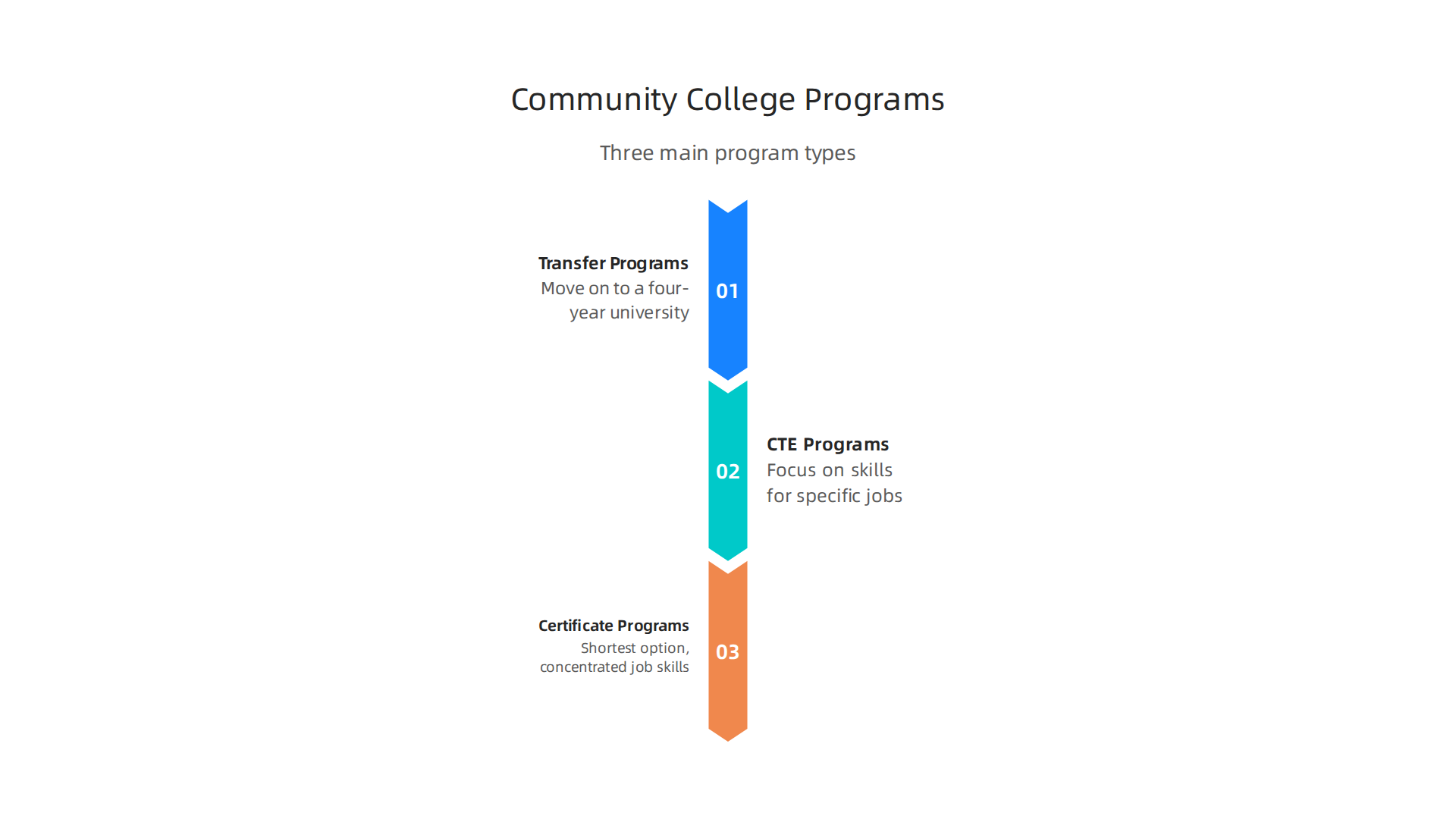
Each one serves a different goal. Knowing the difference helps you pick the right path.
Transfer programs are designed for students who plan to move on to a four-year university. These are usually Associate in Arts (AA) or Associate in Science (AS) degrees. They include general education classes that match what you would take in your first two years at a university. Many students start at Manchester Community College this way to save money on tuition before transferring. The credits are meant to move with you. Schools like La Mission College and the University of South Dakota offer similar transfer agreements.
These programs are a smart choice if you want a bachelor’s degree but want to lower your costs.
Career and technical education (CTE) programs focus on skills for specific jobs. They lead to an Associate in Applied Science (AAS) degree or a certificate. You take fewer general education classes and more hands-on training in your field. Fields include health care, information technology, automotive technology, and more. These programs prepare you for immediate work after graduation. Manchester Community College has a wide range of options in this category. You can explore their full list of programs to see which one matches your interests.
Certificate programs are the shortest option. They take a few months to a year to complete. Certificates teach concentrated skills for a specific job role. For example, you can earn a certificate in accounting, early childhood education, or HVAC repair. These are great if you want to enter the workforce quickly or add a credential to your resume.
Community colleges offer a flexible structure that fits many lifestyles. Whether you want to transfer, start a career, or gain a quick skill, there is a program built for you. As one overview of what degrees community colleges offer explains, program lengths range from a few months to several years to meet different needs.
If you are also looking at programs at other schools, you might find it helpful to read a Daytona State College programs guide for your career path to compare options.
Take time to think about your long-term goals. Talk to an advisor at Manchester Community College to map out the best route. The right program can save you money, time, and open doors to the future you want.
Spotlight on Manchester Community College Programs
Now let me walk you through what makes Manchester Community College (MCC) stand out. This school offers more than 70 associate degrees and certificate programs. That is a lot of choices for one campus.
Whether you want health care, business, or technology, MCC likely has something for you. They cover many fields that lead to real jobs.
Nursing is one of their most popular programs. The Nursing A.S. degree prepares you for the NCLEX exam. That is the test you pass to become a registered nurse. If you are not ready to apply yet, they offer a Liberal Arts Pre-Nursing Pathway. This option lets you take science classes and earn transferable credits first. You can read more about the Liberal Arts Pre-Nursing Pathway on the MCC Liberal Arts page to see how it works.
Engineering technology is another strong option. MCC offers programs like Automated Manufacturing Technology and Electrical Technology. These are hands-on degrees that teach skills you can use on day one of a job. You will work with modern equipment and learn from instructors who know the field.
Business administration programs are built for flexibility. You can earn an Associate in Science in Business Studies or Accounting. Both transfer well to four-year schools. The Business Communications program also helps you build writing and speaking skills that employers value.
Liberal arts remains the biggest transfer degree. The Associate in Arts in Liberal Arts covers general education courses. It pairs with the New Hampshire Transfer Connections program. This agreement makes moving your credits to schools like the University of New Hampshire or Southern NH University much smoother.
Each program at MCC has clear degree requirements. For example, you must complete at least 15 credits at MCC for any associate degree. Eight of those must be in advanced courses numbered 200 or higher. These rules keep your degree solid and respected.
If you want to see the full list of available programs, you can browse the comprehensive MCC program catalog. It shows every degree and certificate they offer.
When you compare options across schools, you might also find it helpful to look at the University of Texas Arlington verified facts about research and admissions. Seeing how different schools structure their programs can sharpen your own decision making.
Here is a quick look at some standout programs at MCC:
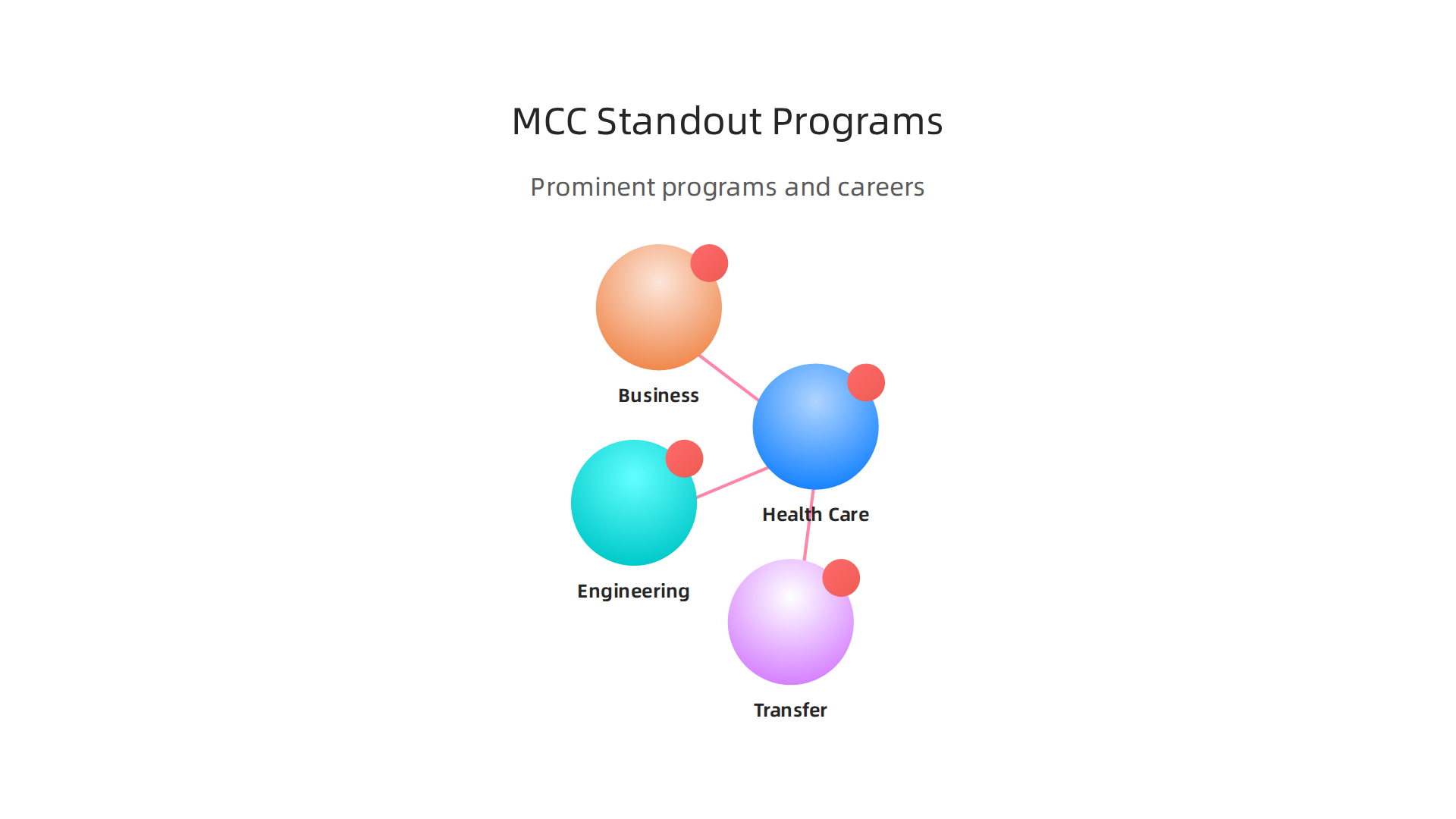
| Program Type | Example Degree | Career Path |
|---|---|---|
| Health Care | Nursing A.S. | Registered Nurse |
| Engineering | Electrical Technology A.S. | Technician or Designer |
| Business | Accounting A.S. | Bookkeeper or Analyst |
| Transfer | Liberal Arts A.A. | Four year university path |
Take a close look at each program before you choose. Talk to an academic advisor at MCC. They can help you match a program to your goals. The right fit can save you both time and money.
Transfer Programs: Pathways to Four-Year Degrees
Maybe the thought of transferring from Manchester Community College to a four year school feels risky. You might worry about losing credits or starting over. That fear stops many people from taking the next step. But here is the good news. MCC has built real pathways to make your move smooth and simple.
These pathways are called articulation agreements. An articulation agreement is an official promise between two schools. It says that when you finish your associate degree at MCC, those credits will be accepted at a partner university. This guarantee protects your time and your money. You do not have to repeat classes. You enter as a junior instead of a freshman.
MCC participates in the New Hampshire Transfer Connections program. This partnership links your courses to schools like the University of New Hampshire and Southern NH University. You can see how every class fits into a bachelor’s degree before you even start. That kind of clarity makes planning much easier.
Here is why this matters for your wallet. Community college graduates who transfer with articulation agreements often save thousands of dollars. They also graduate at similar rates as students who started at four year schools. In fact, research on articulation agreements and transfer guides shows that students who follow a clear plan keep nearly all their credits. Without a plan, students can lose up to 43% of their credits on average.
The Associate in Arts in Liberal Arts is the most common transfer degree at MCC. It covers general education courses like English, math, and social sciences. These classes transfer directly into most bachelor’s programs. The Associate in Science in Business Studies works the same way for business majors. You take the same core classes you would at a university but at a much lower cost.
One smart move is to check transfer pathways at other schools too. Looking at how different universities handle credit transfers can sharpen your own plan. For example, you can explore transfer opportunities at the University of Cincinnati to see how their agreements work. It gives you a broader picture of what to expect.
Before you start classes at MCC, talk to a transfer advisor.

They can show you a semester by semester plan. They will tell you exactly which courses will transfer. That conversation alone can save you from wasting time on the wrong classes.
The bottom line is simple. Your associate degree from MCC is not a stopping point. It is a smart launching pad. With the right agreement and a clear plan, you can move to a four year university with your credits intact and your debt low.
Career and Technical Education (CTE) Programs
Maybe you want a career that does not require a four year degree. Or maybe you want to start working faster. That is where Career and Technical Education at Manchester Community College comes in. CTE programs focus on hands on training in fields that employers need right now.

Healthcare, information technology, advanced manufacturing, and skilled trades are some of the biggest areas.
Here is the thing. These programs are built with real companies. MCC works with local employers to make sure you learn the exact skills they are hiring for. That means you are not just taking random classes. You are training for a specific job.
Stackable credentials are a smart way to build your career. You can earn a short term certificate, then a longer certificate, and finally an associate degree. Each step gives you a credential you can use right away. For example, you might earn a healthcare certificate and start working as a nursing assistant while you keep studying for a higher level degree. This approach saves time and money.
Across the country, CTE programs graduate over 1.3 million people every year with in demand skills according to a report from JFF. These skills cover healthcare, manufacturing, IT, and energy sectors. Most graduates find work in their own communities. That is good news if you want to stay in New Hampshire.
Employment outcomes are strong. Many CTE programs at community colleges report near 100 percent job placement. Nursing, welding, HVAC, and IT support are especially hot fields. Graduates often start with solid pay and room to grow.
When you compare options, it helps to see what other schools offer. For instance, you can look at the Daytona State College programs guide to understand how different colleges structure their CTE pathways.
That kind of comparison sharpens your own plan.
But you also need to be careful with statistics. Some colleges may stretch their job placement numbers. That is why it pays to spot misleading college statistics before you commit. Knowing how to check the facts protects your investment.
MCC’s CTE programs also work well if you plan to transfer later. Some credits stack toward four year degrees in related fields. So you are not stuck in one track. You keep your options open.
Here is one more thing to think about. Many community colleges across the country offer similar CTE programs. Schools like La Mission College and Coe College have strong options in skilled trades. Even if you end up looking at a school like the University of South Dakota for a bachelor’s later, the hands on training you get at MCC will give you a head start. And if you want to transfer to a selective program, knowing the minimum GPA at University of Texas can help you set the right target.
Bottom line: CTE at MCC is about getting job ready fast. With strong employer partnerships, stackable credentials, and high placement rates, you can start a career you are proud of without spending four years in school.
When you review any program’s claims, remember that numbers can be tricky. Accuracy still needs human judgment. Verify Before You Trust before making a big decision.
Support Services That Enhance Academic Success
Starting college can feel like a lot. You have to pick the right classes, understand financial aid, and figure out your career path. The good news is that Manchester Community College does not leave you to figure it out alone. The school offers a wide range of support services designed to help you succeed from day one.
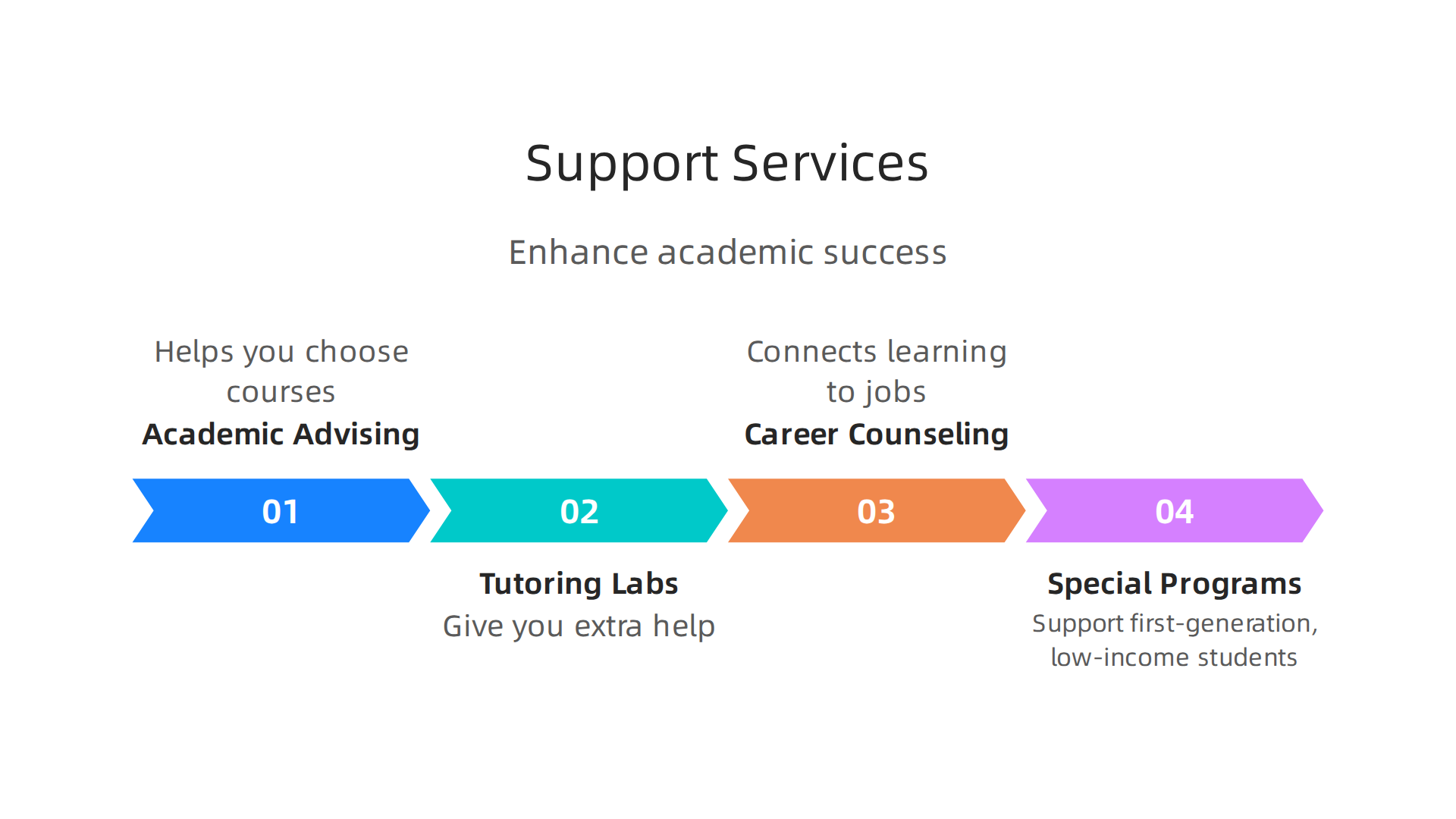
Academic advising is your starting point. An advisor helps you choose courses that match your goals. They also make sure you meet all requirements for your degree or certificate. This is especially important if you plan to transfer later. The earlier you meet with an advisor, the smoother your path becomes. As one guide explains, meeting with transfer counselors during your first academic year helps you create a semester-by-semester plan. That is a smart strategy many successful students use. You can find more detail in the community college method guide for students from EdVisorly.
Tutoring and writing labs give you extra help. If a subject feels hard, you can visit the tutoring center for free. Writing labs help you improve essays and reports. These resources are open to all students, no appointment needed. They are especially useful for gateway courses like math and English, where building a strong foundation matters most.
Career counseling connects classroom learning to real jobs. Counselors help you explore career paths, build resumes, and prepare for interviews. They also know about local job openings and internships. Since many CTE programs at MCC lead directly to work, career counseling helps you make that jump confidently.
Special programs support first-generation and low-income students. These programs offer extra mentoring, workshops, and financial aid guidance. They are designed to close the gap for students who might not have family experience with college. That personal attention makes a real difference in staying enrolled and graduating.
Strong support services are linked to higher retention and graduation rates. When you know where to turn for help, you are less likely to give up. But not all schools offer the same quality of support. That is why it pays to compare. For example, schools like La Mission College and Coe College also provide strong student services. And if you are planning to transfer to a university like the University of South Dakota, you can research their transfer resources ahead of time. Knowing the minimum GPA at University of Texas can help you set the right target during advising sessions.
One more tip: always double-check the numbers schools share about their support services. Some colleges stretch their statistics. Learning how to spot misleading college statistics protects your time and money.
Bottom line: Manchester Community College gives you a full safety net. From advising to tutoring to career help, these services are there to make your college journey smoother and more successful.
How to Choose the Right Program for You
Choosing a program at Manchester Community College is a big step.

You want a path that leads to a good career or a smooth transfer to a four-year school. Here is a simple way to make the right choice.
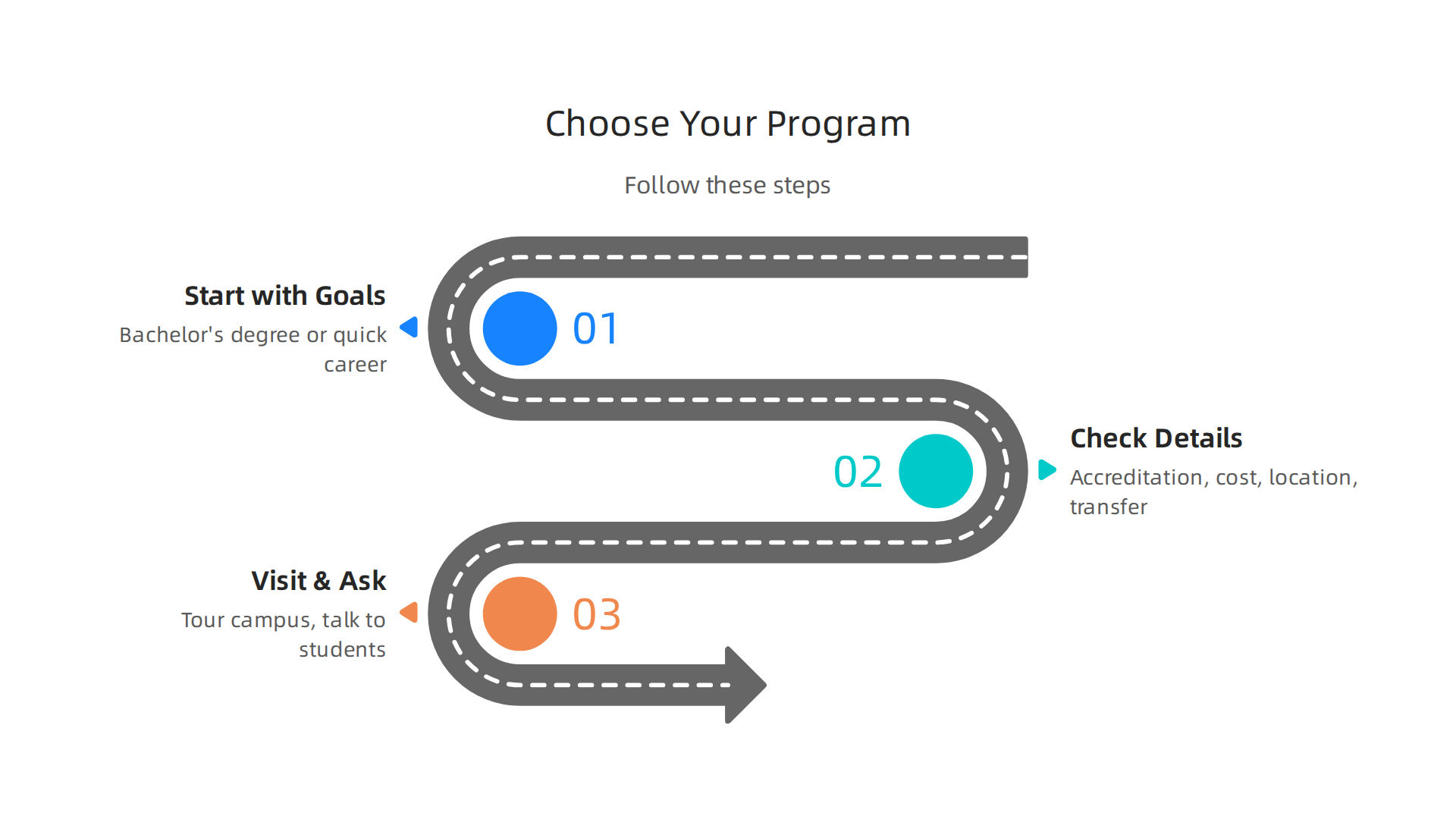
Start with your goals. Ask yourself: Do you want a bachelor’s degree someday? Or do you want to start working right after graduation? If you plan to transfer, pick a program with strong transfer agreements. If you want a quick career, look at technical programs that lead to certificates or associate degrees. Also think about your preferred learning style. Do you like in-person classes, online courses, or a mix? Manchester Community College offers both, so you can choose what works best for you. As one guide explains, looking at key factors like academic programs and location helps you narrow down your choices. You can read more in this overview of the top 10 factors to consider when choosing a college.
Check the details. Not all programs are the same. Make sure the program is accredited. Accreditation means the program meets quality standards that employers and universities recognize. Cost also matters. Compare tuition, fees, and available financial aid. Location is another factor. If you live close to Manchester Community College, in-person classes may be easy. If you need flexibility, online options are available. And if you plan to transfer, ask about articulation agreements. These agreements guarantee that your credits will count toward a bachelor’s degree at partner universities. Meeting with an advisor early can help you understand these agreements and set a course plan. If you are aiming for a specific university later, it helps to know their acceptance standards ahead of time. For example, you can look at the acceptance rate at UVA to understand what grades you need.
Visit and ask questions. Before you decide, visit the campus if you can. Tour the classrooms and labs. Talk to current students about their experiences. Meet with an academic advisor to discuss your goals. Advisors know which programs have the best outcomes. They can also show you data on graduation rates, job placement, and transfer success. But be careful with numbers. Some schools make their statistics look better than they really are. That is why it pays to learn why precise data can mislead. A little extra research now saves time and money later.
Bottom line: Take your time. Look at your goals, check the program details, and visit the campus. The right program at Manchester Community College will set you up for success.
Summary
This article explains why community college programs—illustrated by Manchester Community College (MCC)—are a practical, affordable route to both careers and four‑year degrees. It defines the three main program types (transfer degrees, career and technical education, and short certificates), highlights standout MCC offerings like nursing, engineering technology, and business, and shows how articulation agreements protect transfer credits. The piece also covers CTE strengths—employer partnerships, stackable credentials, and strong placement—and the support services (advising, tutoring, career counseling) that improve completion. Readers learn how to compare program details, check accreditation, avoid misleading statistics, and pick a path that saves money and time while keeping options open for future study or immediate employment.