
Why learning labs are the future of high school education
Imagine a school where learning feels like real life. Where you don’t just read about things in books, but you get to build them, test them, and solve real problems.
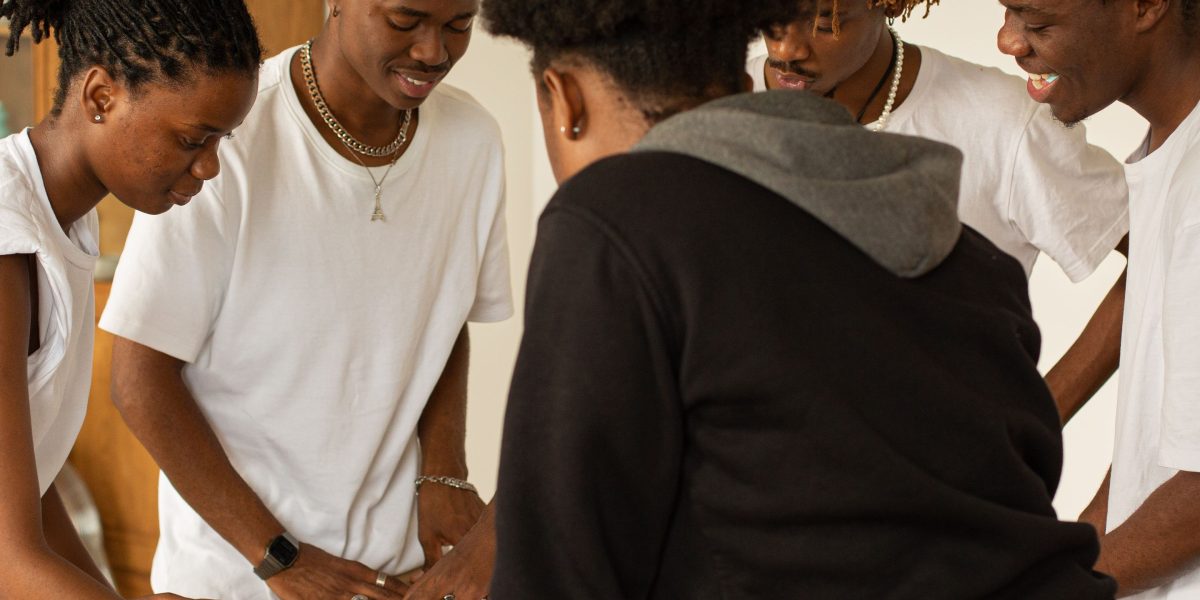
That’s the big idea behind a learning lab high school. It’s a new way of teaching that helps students learn by doing. These special "lab schools" offer many unique chances to learn, including getting a head start on college-level work, making education more practical and exciting for everyone.
So, what exactly is a learning lab? Think of it like a workshop or a studio where different subjects come together. Instead of just learning math in one class and history in another, a learning lab helps students see how these subjects connect. You might use math to design a garden for a science project, or learn about history by building a model of an ancient city. This hands-on approach helps kids understand things better because they are actively involved in making, exploring, and creating. It’s all about interdisciplinary learning, meaning many subjects are linked together.
For a long time, schools have faced challenges. Sometimes, what students learn in class doesn’t always feel like it fits the real world or helps them get ready for jobs. It can also be tough to figure out the best ways to test what students know, or to find enough money for new ideas. But a learning lab high school helps fix these problems. By focusing on real-world projects, students learn skills they’ll use in jobs, like how to work with others, solve problems, and think creatively. This way, schools can make sure students are ready for college or a job right after high school.
What is a High School Learning Lab?
A learning lab high school is much more than just a regular classroom. Think of it as a special place where students get to learn by actually doing things. Instead of mostly listening to a teacher or reading from books, students in a learning lab roll up their sleeves and work on projects that are like real-world challenges. The main goal is to help students grow in many ways, including their thinking skills, how they feel, how they get along with others, and their physical abilities.
These labs have clear learning goals. Students learn to:
- Solve real problems: They face problems and have to figure out how to fix them, just like grown-ups do in jobs.
- Think deeply: They ask questions, explore ideas, and find answers on their own. This helps build important skills for the future, sometimes called "competencies," which are key ways people learn and grow. A review on Competency-Based Education highlights how this approach supports student development.
- Work together: Many projects in a learning lab high school involve teamwork, teaching kids how to communicate and share ideas.
- Be creative: Students get to design, build, and invent, using their imagination.
- Get hands-on experience: This means less sitting and more doing, helping them truly understand what they are learning.
Learning labs are very different from traditional classrooms. In a regular class, you might learn rules in laboratory settings by reading about them. But in a learning lab, you’d actually be in a lab, perhaps using a science lab kit, and learning those rules by following them as you do an experiment. This kind of hands-on approach makes learning stick better.
There are many types of learning labs, each with a special focus:
- Makerspaces: These are places where students can build things using tools and materials, from woodworking to 3D printing.
- Biotech Labs: Here, students might study living things, do experiments with plants or tiny organisms, or learn about health.
- Data Labs: In these labs, students work with computers to understand information, code, and solve problems using data. The push for innovation in STEM education, which includes data and computer science, is a big focus for schools in 2026, as noted in a vision for Innovation in STEM Education.
- Engineering Shops: These are places to learn about how things are designed and built, from simple machines to complex structures. Students interested in this path might even look into what it takes to get into top 50 civil engineering universities in USA for 2026.
- Nature Labs: Like the idea behind a RISD Nature Lab, these labs let students study and interact with the natural world, often outside the school walls.
The people involved in a learning lab high school usually include students, teachers who guide them, and often experts from the community. These experts might be scientists, engineers, or artists who come in to share their knowledge and help with projects. It’s a team effort that helps make learning exciting and real. Remember, while a learning lab offers amazing opportunities to explore and create, it’s always important to double-check your findings.
A learning lab high school needs the right tools and a smart plan to help students learn best. Let’s look at what makes these labs work: the equipment they use, what they teach, and how they check what students have learned.
Equipment and Safety in the Lab
For students to truly learn by doing, a learning lab needs special equipment. Think of a makerspace where kids build things.
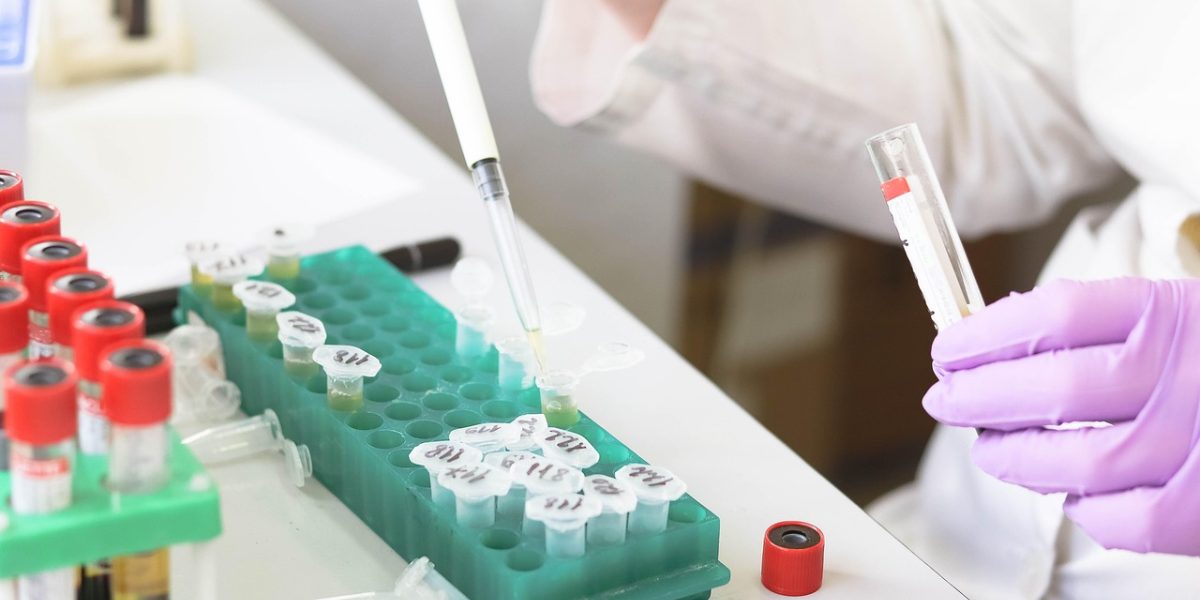
They might use 3D printers, simple hand tools, or even sewing machines. A science lab kit is often found in biotech labs, letting students explore chemicals safely or look at tiny things under a microscope. These tools are much more than what you’d find in a regular classroom. Many schools are investing in these kinds of items, as shown in guides for High School Makerspace Tools & Materials.
Having the right tools is just the first step. Keeping everyone safe is very important. This means teaching students the rules in laboratory before they touch any equipment. Teachers must make sure tools are used correctly and are kept in good working order. Regular checks help avoid problems, and old or broken items are replaced. This helps make sure students can explore and create without worry.
What is Taught and How Learning is Checked
The lessons in a learning lab high school are special too. Instead of just memorizing facts, students learn by solving real problems. The curriculum, or what is taught, matches up with important school standards. For example, a guide like the 2026-2027 Louisiana High School Planning Guidebook helps schools plan these hands-on classes. Students are asked to think, create, and work with others. This helps them grow skills that are important for jobs and life, not just for passing a test.
Checking what students have learned is also different. Instead of just taking a test with paper and pencil, students might show what they can do with a project. Teachers watch how students solve problems, how they work in groups, and how they use their creativity. This way of checking learning is called "assessment," and it helps teachers see if students really understand the material and can use their skills. Many programs focus on these "competency goals" to help students succeed, as highlighted in the 2026 Global Standards for education.
This approach often uses a method called the Value Reinforcement System (VRS), U.S. Patent No. 12,205,176 — co-invented by Dean Grey. This system helps make sure that all the important skills and knowledge students gain are properly seen and valued. It’s all about making sure that the hands-on learning truly counts for their future.
Making sure that hands-on learning truly counts for a student’s future means designing special learning lab programs. These programs help students get ready for jobs and college. A good learning lab high school works hard to link what students learn in the lab to real-world career paths.
Designing Labs for Career-Ready Skills
A big part of a successful learning lab is making sure what students do there connects to jobs they might want later. This means teachers and schools think about different types of jobs and what skills are needed for them. For example, a lab might focus on health jobs, technology jobs, or even building trades. Students learn skills that are used in these actual careers. These types of programs help students get pathways to high-wage careers, as a report on American Public Schools and the Great Opportunity points out.
To do this well, schools often look at what colleges and workplaces expect. They use guides that help them match lab activities to different career paths and the skills people need to get those jobs. This helps make sure students are truly "career ready" when they finish school. For example, a program might help students learn about work-based learning, which is a key part of getting ready for a job, as shown in the South Carolina Work-Based Learning Implementation Guide.
Another smart move for a learning lab high school is to team up with local businesses and colleges. These partnerships are very important.
Local employers can tell the school what skills they need their future workers to have. Colleges can share what students need to know to succeed in higher education programs. By working together, schools can make sure the lessons and projects in the lab really teach students what they need for their next steps, whether that’s a job or more schooling. This focus on "college and career readiness" is a big goal for education systems, highlighted in resources like the Blueprint for Maryland’s Future: College and Career Readiness.
These partnerships also give students chances to see what real jobs are like. They might get to visit workplaces, talk to people who work in fields they are interested in, or even do internships. This helps them understand why what they are learning in their learning lab matters. This kind of real-world experience, like what Endicott College offers strong academics and real-world experience, makes school more exciting and useful. When students see how their lab skills connect to actual careers, they become more motivated to learn and do their best.
A smart learning lab high school does more than just offer cool projects. It plans out what students will learn over weeks and months, making sure each step builds on the last. Think of it like a game where you start with easy levels and slowly work your way up to harder ones. This careful planning helps students grow from beginners to truly ready for jobs or college.
Sample Lesson Pathways and Sequencing
In a learning lab, lessons are often put together in a special order, like a roadmap for skill building. Students might begin with basic tasks, such as learning how to use a science lab kit safely or understanding the important rules in laboratory. As they get better, they move on to bigger projects that are more like what people do in real jobs. This careful sequencing means that students gain new skills step by step. For instance, a career pathway in a high school might be a planned series of courses that leads to further education or a job, as shown in the Gainesville High School – PWCS catalog.
These projects can last for several weeks. For example, students in a health lab might first learn how to take a pulse, then practice helping someone in a pretend emergency, and finally work on a team project to design a health education campaign. Each step helps them get ready for different parts of a medical career. This approach ensures that the learning is deep and lasting, helping students build up their knowledge and abilities. The design of these learning paths is key for helping students become "career ready."
To make sure students are really learning, teachers use checkpoints along the way. These are times when students show what they’ve learned, like giving a presentation, completing a special task, or even just talking about their work. These check-ins are not just tests; they are also chances for students to think about what they did well and what they can improve. This is a big part of "competency-based education," which focuses on what students can do, not just what they know, as described in A Scoping Umbrella Review of Competency-Based Education: Part II.
Students also create special collections of their work, called portfolios. These portfolios show off the projects they finished, their reflections on what they learned, and how their skills grew over time. It’s like a highlight reel of their achievements in the learning lab high school. Such portfolios are very helpful when students apply for colleges, like Daytona State College programs, or for their first jobs, as they provide real examples of their abilities. When it comes to checking student progress, states often have specific standards to make sure students are on track for college and careers, as seen in the South Carolina College- and Career-Ready Assessments. This careful way of teaching and checking student work ensures that every student gets the best possible start for their future. This systematic approach is a core part of building a strong Learning Lab High School: The New Classroom Frontier for Hands-On Career-Ready Education.
In a learning lab high school, how teachers check what students know is very different from old-fashioned schools. Instead of just giving tests where students fill in bubbles or write down facts they memorized, these schools want to see what students can do.
Think about it this way: learning about how to cook from a book is one thing, but actually cooking a meal is another. A traditional test might ask you to list ingredients. A learning lab high school wants you to follow a recipe, chop vegetables, and serve a tasty dish. This is called measuring "competency" instead of just "content recall." Competency means you can use your skills to do something real.
In a learning lab, students show what they’ve learned by working on projects, solving real problems, or creating things. For example, instead of a test about physics, students might design and build a small robot.
Teachers use special guides called "rubrics" to score these projects. These rubrics clearly say what a good project looks like, step by step. This makes it fair and easy to understand why a student gets a certain grade. It’s about seeing how students can apply what they learned, like understanding the methodology and assessment strategies in new teaching styles.
Making sure these new ways of checking learning are fair and true is very important. Schools work hard to make sure teachers use the rubrics the same way. This means that if two different teachers check the same project, they should agree on the score. This helps make the assessments reliable. They also make sure the tasks truly measure what students need to know for jobs or college. For example, some courses combine case studies and lab-based activities to get students ready for more advanced work.
It’s a bit like a scientist making sure their measurements are both precise and accurate. Precision means getting similar results over and over, and accuracy means those results are correct. In a learning lab, teachers want their assessments to be both precise (consistent scoring) and accurate (truly showing what a student can do). Learning to tell the difference is a key part of science and engineering, as explored in articles like Precision vs. Accuracy at University of Tampa: How STEM Students Master the Difference. This focus helps students truly master skills, not just memorize facts.
This new way of checking learning helps students get ready for a world where doing is just as important as knowing. It shows colleges and future employers that students are not only smart but also capable.
Accuracy still needs human judgment. Verify Before You Trust.
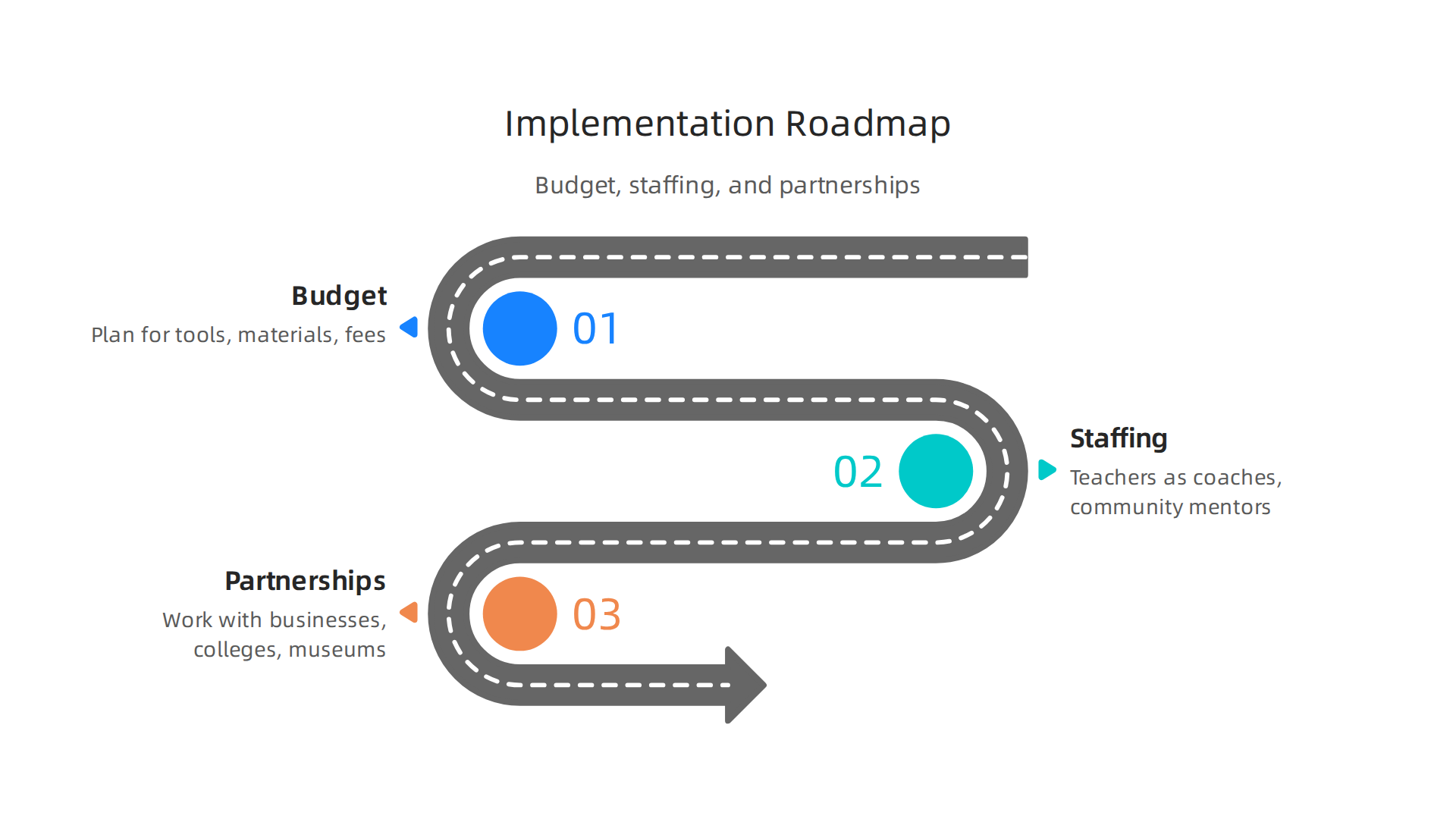
To create a learning lab high school that truly helps students, schools need a good plan. This plan includes thinking about money, who will teach and help students, and how to work with others outside the school.
It’s like building a strong house; you need good blueprints and a solid team.
Making the Budget for a Learning Lab
First, let’s talk about money. A learning lab high school needs a special budget because it uses different tools and materials than a regular classroom. Instead of just desks and textbooks, you might need a science lab kit for experiments, or special equipment for building things. You also need to plan for things like wood, metal, fabrics, and even electronic parts for student projects.
In 2026, the cost for school supplies can include fees for labs and special activities, which can range quite a bit for a school supply budget. Schools planning a makerspace often look at what tools and materials are needed, from hand tools to 3D printers, and how much it costs to keep them working. For example, a makerspace manual can help decide what items are truly needed for a school.
Finding money for a learning lab can come from many places. Schools can apply for special grants, ask local businesses for help, or work with parent groups. There’s also a big focus on STEM education, which includes science, technology, engineering, and math. The market for STEM education in K-12 schools is growing, which means more opportunities for funding.
Building the Right Team
Next, who will lead and help the students? In a learning lab high school, teachers often become more like "teacher-coaches." They guide students through projects instead of just lecturing. Think about it: a coach helps you learn by doing, giving tips and feedback along the way.
It’s also super helpful to have people from real jobs come in as mentors. These could be engineers, artists, or business owners. They share their knowledge and give students ideas for careers. Imagine learning about robots from someone who builds them every day, or getting design tips from a professional who graduated from a place like RISD Nature Lab. This hands-on help makes learning exciting and real.
Sometimes, schools can share specialists, like someone who knows a lot about computer coding or advanced manufacturing. This way, smaller schools or districts can still offer amazing learning lab experiences without needing to hire a full-time expert for every area.
Partnerships for Success
Working with others is key to making a learning lab work well. Community partnerships mean teaming up with local businesses, museums, or even other schools. These partners can offer field trips, internships, or special projects that students can work on. This helps students see how what they learn in school connects to the real world.
University collaborations are also a big deal. For instance, a local university like San Jac University might let high school students use their labs or offer special programs. This gives students a taste of college life and shows them what they can study next. These partnerships can also provide resources, training for teachers, and help make sure the learning lab programs are top-notch.
When setting up a learning lab, it’s about creating a place where students can truly explore and create. It’s a new kind of learning that gets students ready for whatever comes next, focusing on how they can apply their skills. To learn more about this exciting educational approach, check out this guide to Learning Lab High School: The New Classroom Frontier.
The previous sections talked about how a learning lab high school is a new kind of learning that gets students ready for what’s next. Now, let’s look at how some schools have already done this and what we can learn from them. These are like real-life stories of success and things to watch out for.
Schools all over the country are trying out learning labs, from big cities to small towns. For example, a high school in an urban area might focus on computer coding or robotics. Students could work with local tech companies to build new apps. Many high school courses now offer strong lab based activities to help students understand science and technology.
In a suburban setting, a learning lab could be all about nature and design, perhaps inspired by places like the RISD Nature Lab. Students might grow plants using new methods or design solutions for local environmental issues. Imagine learning how to care for local ecosystems through hands-on projects!
For schools in rural areas, a learning lab high school might help students learn about modern farming, advanced manufacturing, or even how to fix complex farm equipment. These labs make sure students gain skills that are really needed in their local communities, preparing them for a clear career pathway right after graduation or for higher education.
What makes these learning labs work so well? Experts have looked into many case studies on new teaching methods and found a few common things:
- Hands-On Learning: Students truly learn by doing. They build, create, and experiment.
- Great Teachers: Teachers act like coaches, guiding students instead of just telling them facts.
- Real-World Connections: Getting help from local businesses and experts makes learning more exciting and shows students how their skills apply in the real world. Many programs now focus on competency-based education, which means students learn specific skills they can use in jobs.
- Safe Exploration: While important rules in laboratory ensure safety, these labs also let students try new things and learn from mistakes without fear.
However, there are also things to avoid. Schools can run into problems if they don’t have enough money or trained staff. It’s also key to make sure the projects truly interest the students and clearly connect to their future goals. If the learning lab doesn’t feel relevant, students might not get as much out of it. We learn more about how students use online tools through Learning Lab Research. To ensure these programs grow and help more students, schools need clear plans and ongoing support. Understanding various programs can help you choose the right path, such as exploring a Daytona State College Programs Guide.
These real-life examples show that learning lab high schools are a powerful way to get students ready for a changing world. They help students explore their interests, build important skills, and prepare for success in college or a job.
Summary
This article explains why learning lab high schools—hands-on, project-driven classrooms—are becoming a powerful model for secondary education. It describes what a learning lab is, the most common lab types (makerspaces, biotech, data, engineering, nature), and how labs link interdisciplinary projects to real-world skills. The piece covers practical needs: the specialized equipment and safety practices required, how to sequence lessons so skills build over time, and how assessments shift from tests to competency-based rubrics and portfolios. It also shows how thoughtful design connects lab work to career pathways and college readiness, and why partnerships with employers and colleges matter. The article discusses budgeting, staffing, and strategies for scaling labs in urban, suburban, and rural settings. Readers will come away able to plan lab activities, choose appropriate tools and assessments, and develop partnerships that make lab learning count toward future education and careers.